Transforming your outdoor space can be a rewarding endeavour. It enhances both the beauty and functionality of your home. From garden landscaping and decking to resin driveways, paving, patios, turfing, and garden features, the possibilities are endless, especially with thoughtful garden design and landscape ideas.
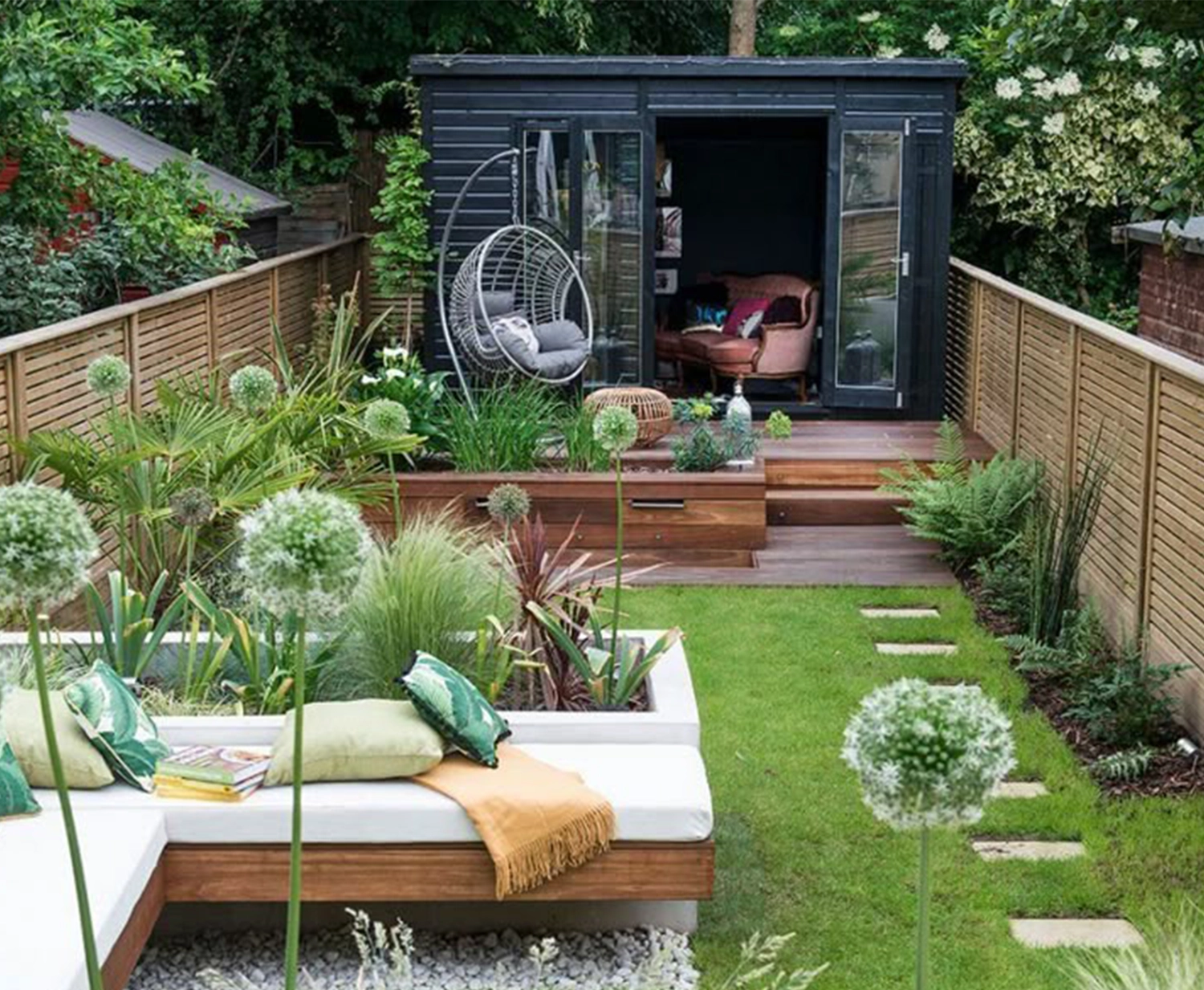
Imagine stepping onto a beautifully designed deck. It serves as an extension of your living space, perfect for relaxation. Decking offers style and practicality in one package and can play a central role in cohesive backyard design.
Resin driveways are another modern solution. They are durable, low-maintenance, and come in various colours. This makes them a popular choice for homeowners.
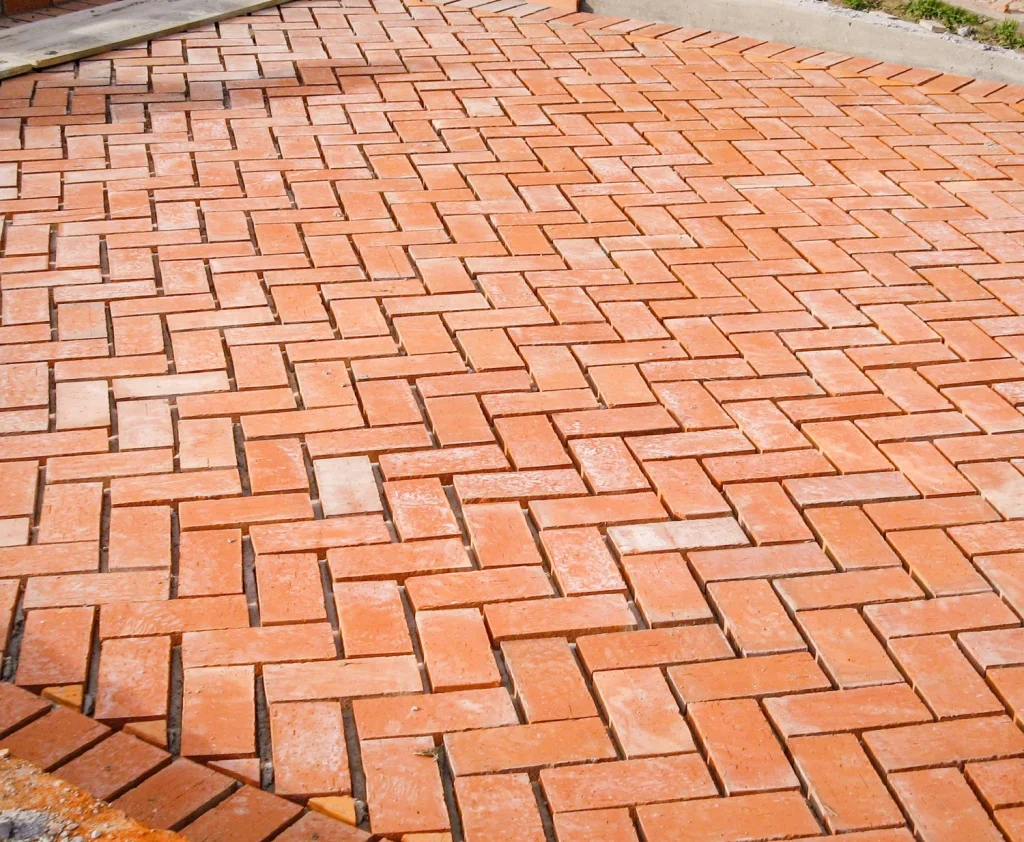
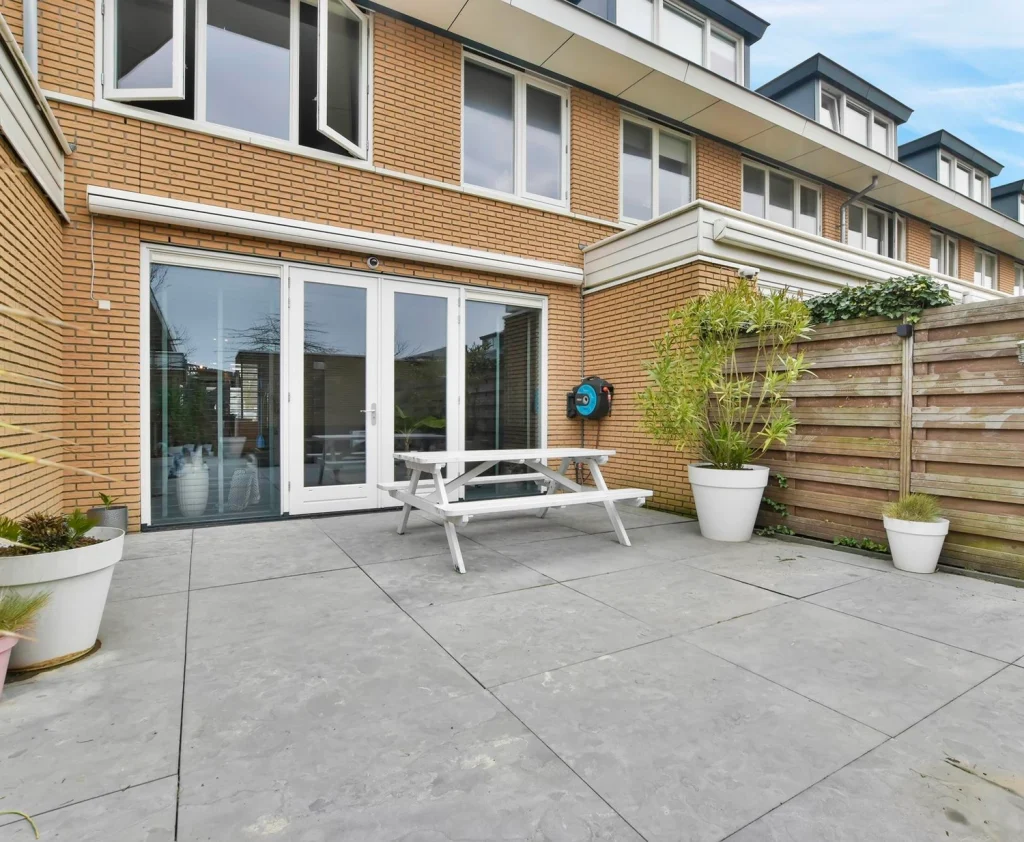
Paving and patios provide versatile options for outdoor living. They can be customised with materials like stone, brick, or concrete. These elements create inviting spaces for dining and entertaining.
Turfing is a quick way to achieve a lush, green lawn. Whether you choose natural or artificial turf, the result is stunning. A well-maintained lawn adds to your garden’s appeal.
Incorporating features like water elements and lighting can elevate your garden design. These additions create ambience and enhance safety. They also serve as focal points in your landscape and complement landscape ideas for both traditional gardens and modern backyard design.
Sustainable practices, such as using native plants, are gaining popularity. They reduce environmental impact and support local ecosystems. This approach is both eco-friendly and cost-effective.
Whether you’re a DIY enthusiast or prefer professional help, planning is key. With the right landscape ideas, your garden can become a personal oasis.
The Foundations of Garden Landscaping: Planning and Design
Laying the groundwork for garden landscaping starts with effective planning. A thoughtful approach leads to a harmonious and visually appealing design. First, assess the space you have to work with.
Consider the different areas you want to create. This could include seating, dining, and planting zones. Each area should have a distinct purpose and feel.
It’s crucial to decide on a style.
Do you prefer a modern look or something rustic? Defining your aesthetic sets the tone for the entire garden.
Plant selection is another vital aspect. Choose plants that complement each other. This not only enhances visual appeal but also ensures year-round interest.
Here are some elements to consider when planning:
- Sun and shade patterns
- Soil conditions and types
- Water drainage and supply
- Seasonal weather changes
Climate plays a key role in planning. Some plants thrive in specific climates, so choose wisely. This ensures minimal maintenance and maximum growth.
Design also involves choosing materials for various features like paths and decks. Stone and wood are popular choices for their durability and natural appeal. These elements should blend well with your overall design scheme, whether your focus is formal garden design or practical backyard design.
In conclusion, thoughtful planning and design can transform your garden. It turns your outdoor space into an inviting and functional extension of your home.
With careful consideration, your landscape ideas can be brought to life effectively.
Decking: Creating Stylish and Functional Outdoor Spaces
Decking is a fantastic way to enhance your garden’s usability and aesthetic appeal. It provides a level surface for entertaining, dining, or simply relaxing outdoors.
Choosing the right materials is crucial for decking. Popular options include wood, composite, and PVC. Each material offers unique benefits and requires different levels of maintenance.
Wood decking is a traditional choice known for its natural beauty. It does require regular maintenance, such as staining and sealing, to preserve its appearance.
Composite decking, made from recycled materials, offers a low-maintenance alternative. It is resistant to rot and pests, making it an excellent long-term investment. It’s available in various colours to match any style.
PVC decking is durable and low-maintenance, featuring all-weather resistance. It’s lightweight and available in diverse finishes, suitable for various designs.
When planning your decking, consider factors such as size, shape, and location. Think about how you will use the space, and plan accordingly. Here is a quick checklist:
- Determine your decking’s purpose
- Select suitable materials
- Plan the layout and size
- Ensure proper installation
Incorporating lighting, such as LED strips or solar lights, can enhance ambience and safety. Additionally, adding railings and built-in seating can increase comfort. With thoughtful planning, decking transforms outdoor areas into versatile living spaces.
Resin Driveways: Modern, Durable, and Low-Maintenance Solutions
Resin driveways offer a sleek and contemporary look that’s perfect for modern homes. Their appeal lies in their durability and low upkeep requirements.
These driveways consist of a blend of resin and aggregate stones. This combination creates a strong, weather-resistant surface that can withstand heavy traffic.
One of the key advantages of resin driveways is their permeable nature. This allows rainwater to drain through, reducing the risk of flooding. It also helps to prevent water pooling.
Resin surfaces come in various colours and finishes, making it easy to customise. This allows homeowners to complement existing garden and home designs effectively.
Installation is straightforward, often quicker than other driveway options. Minimal disruption is an added bonus, allowing you to enjoy your new driveway sooner.
Here’s why you might consider a resin driveway:
- Low maintenance with minimal cleaning needs
- Customisable colours and textures
- Permeability prevents water buildup
- Strong and long-lasting surface
- Quick and easy installation
In conclusion, resin driveways combine style with practicality. They are an excellent choice for anyone seeking a sophisticated yet functional driveway solution.
Paving and Patios: Versatile Options for Outdoor Living
Paving and patios transform your outdoor space into functional and inviting areas. Whether for pathways, dining, or lounging, they offer endless design possibilities.
Patios provide a gathering space where family and friends can relax. Choosing the right materials is crucial for creating the desired aesthetic and durability. Options range from classic brick to elegant flagstone and modern concrete.
Paving materials vary in texture, colour, and price. Stone and brick are timeless favourites, while concrete options offer cost-effective versatility. Each material has its benefits and drawbacks, so consider the climate and foot traffic.
Design your patio to suit your lifestyle. An open space is ideal for dining, while a secluded nook can offer a cosy retreat.
Adding planters can seamlessly blend the patio into the garden environment.
Well-planned pathways lead the eye through the garden, linking various areas. They not only enhance accessibility but also help in defining sections of your garden.
Lighting can transform patios into evening havens. Install spotlights or lanterns for ambience and safety. Proper lighting highlights pathways and enhances usability at night.
Consider these benefits of paving and patios:
- Diverse design and material choices
- Enhances outdoor living experience
- Improves property aesthetics and value
- Facilitates garden zoning and flow
- Low-maintenance options available
Incorporating paving and patios into your garden offers both style and function, enhancing your outdoor living experience year-round.
Turfing: Achieving the Perfect Lawn with Natural or Artificial Grass
A lush lawn is the heart of many gardens, contributing to both beauty and utility.
Choosing between natural and artificial turf depends on your preferences and needs.
Natural grass provides a classic look and feel. It supports local ecosystems, offering habitat and forage for wildlife. However, it requires regular care like mowing, watering, and fertilising to stay healthy and green.
Artificial turf offers a low-maintenance solution, staying green year-round with minimal upkeep. It’s ideal for busy homeowners or arid environments where water conservation is essential. Many modern options mimic the feel and look of natural grass.
Consider your region’s climate and water availability when choosing turfing materials. Some grasses perform better in cool climates, while others thrive in heat. Artificial turf eliminates this concern, making it a versatile choice.
Turfing installations demand skilful preparation for durability. Ensure proper soil grading and drainage to avoid future issues. Both natural and artificial lawns benefit from a solid foundation to maintain their appearance.
Benefits of both turf types include:
- Natural grass enriches soil and supports biodiversity.
- Artificial turf reduces water and maintenance needs.
- Both enhance garden aesthetics significantly.
- A green lawn boosts property value and kerb appeal.
Whether opting for natural or artificial turf, a well-maintained lawn is the perfect backdrop for any garden design, completing your outdoor space with charm and elegance.
Enhancing Your Garden with Features and Accessories
Adding features and accessories to your garden can transform it from ordinary to extraordinary. Thoughtful enhancements provide character and functionality to outdoor spaces.
Water features, like fountains or ponds, introduce movement and sound. They create a serene atmosphere, becoming a focal point in your garden design. Consider adding fish or aquatic plants to enhance the ecosystem.
Lighting is another vital component, extending the use of outdoor spaces into the night. Strategically placed lights can highlight garden paths, features, and plants. Solar-powered options offer energy-efficient solutions.
Garden furniture invites relaxation and social gatherings. Opt for weather-resistant materials that withstand the elements while providing comfort and style. Arrange seating areas to encourage conversation and contemplation.
Decorative elements, such as sculptures or art, introduce personality and depth. Choose pieces that reflect your style or theme, whether modern, rustic, or eclectic. These accents personalise the landscape.
Simple additions like planters and pots allow for flexibility in design. They introduce colour and texture and can be rearranged to accommodate seasonal changes. Choose containers that complement the overall design.
Key accessories to consider include:
- Water features for tranquillity and beauty.
- Lighting for ambiance and safety.
- Furniture for comfort and functionality.
- Decorative pieces for personal flair.
- Planters for versatile landscaping.
Incorporating these features and accessories enhances not only your garden’s visual appeal but also its usability, making it a perfect retreat for relaxation and entertainment.
Sustainable and Wildlife-Friendly Landscaping Ideas
Sustainable landscaping benefits both the environment and your budget. It focuses on long-term health and functionality for outdoor spaces.
Using native plants is a simple way to reduce maintenance. These species are adapted to local conditions, requiring less water and fertiliser. They also support local wildlife by providing natural habitats.
Water conservation is another essential aspect of sustainable landscaping. Implement techniques such as drip irrigation and rainwater harvesting. These methods reduce water waste and promote efficient use of resources.
Wildlife-friendly gardens are not only beautiful but beneficial.
Incorporating features like bird boxes and insect hotels supports biodiversity. Choose plants that attract bees, butterflies, and birds to encourage a thriving ecosystem.
Creating layered planting areas mimics natural growth patterns. This approach offers diverse habitats and adds visual interest. It allows for a variety of plant species to thrive at different heights.
Key sustainable and wildlife-friendly landscaping ideas include:
- Incorporating native plants.
- Practicing water conservation.
- Creating habitats for local wildlife.
- Using layered planting techniques.
These practices ensure your garden is both environmentally responsible and vibrant, fostering a harmonious relationship with nature.
Seasonal Considerations and Maintenance Tips
Each season brings unique challenges and opportunities for your garden. Planning for these changes ensures a vibrant landscape year-round.
Spring is ideal for planting new perennials and annuals. As temperatures warm, focus on refreshing mulch to retain soil moisture.
Summer requires vigilance against pests and diseases. Regular watering and deadheading are essential for plant health and growth.
Autumn is the time to prepare your garden for winter. Prune trees and shrubs, and plant bulbs for spring blooms.
Winter maintenance is minimal but important. Protect delicate plants with covers and ensure proper drainage.
Effective garden management involves ongoing tasks. These include:
- Monitoring for pests and diseases.
- Adjusting watering schedules by season.
- Pruning and preparing plants for dormant periods.
These tasks keep your garden thriving. Understanding your plants’ needs through seasonal changes can lead to vibrant landscapes and reduced stress. Regular maintenance ensures your garden remains a beautiful and welcoming space throughout the year.
DIY vs. Professional Landscaping: What to Consider
Deciding between DIY and professional landscaping requires thoughtful consideration. Both have unique advantages and challenges.
DIY landscaping allows for personal creativity and cost savings. It can be rewarding to see your ideas come to life.
However, DIY projects demand time, effort, and some landscaping knowledge. Mistakes can lead to higher costs and maintenance issues.
Hiring a professional offers expertise and efficiency. Professionals can bring advanced design skills and access to quality materials.
It’s important to assess your skills, budget, and project scope. This helps decide between handling it yourself or hiring a professional.
Consider these factors when making your decision:
- Time availability for planning and executing the project.
- Budget flexibility for hiring experts or DIY materials.
- Confidence in your landscaping skills and knowledge.
Ultimately, the choice depends on your personal preferences. Whether DIY or professional, successful landscaping can transform your outdoor space. Consider your options carefully to ensure a satisfying and effective result.
Inspiring Landscape Ideas for Every Garden Size
Creating a beautiful garden is achievable, no matter the size of your outdoor space. With the right landscape design, small, medium, or large gardens can each present unique opportunities.
In smaller gardens, maximising space efficiently is key. Consider vertical gardens or wall planters to add lush greenery without taking up valuable ground space.
For medium-sized spaces, think about creating distinct zones. Separate areas for dining, relaxation, and planting can offer a more organised and functional layout.
Large gardens provide ample room for creativity. Experiment with different terrains, like gentle slopes or raised beds, to add visual depth and interest.
Incorporate a variety of textures and colours to enhance the visual appeal of any size garden.
This can be accomplished through mixed planting schemes or diverse hardscaping materials.
Here are some landscape ideas to consider:
- Create pathways with stepping stones for charming garden routes.
- Include a water feature for soothing sounds and wildlife attraction.
- Use mirrors or reflective surfaces to create the illusion of more space.
These concepts work for both formal garden design and practical backyard design. Ultimately, the key is to tailor your design to the garden’s size and your personal style. With thoughtful planning, any garden can become a beautiful oasis.
Conclusion: Transforming Your Outdoor Space
Transforming your garden is a rewarding journey. Each choice, from decking to paving, adds distinct value and character.
Comprehensive landscaping offers both aesthetic and practical benefits. Planning for sustainability and diverse features maximises this potential. From garden landscaping and decking to resin driveways, paving, patios, and turfing, the right landscape ideas can unify your design.
Embrace the joy of creating a unique outdoor environment. A well-designed garden becomes an extension of your home, offering sanctuary and inspiration.
Q&A
Question: How should I start planning my garden landscaping? Short answer: Begin by assessing your space and deciding the key zones you want—such as seating, dining, and planting—so each area has a clear purpose. Choose an overall style (modern or rustic) to guide materials and plant choices. Consider practical factors like sun and shade patterns, soil type, drainage and water supply, and seasonal weather. Select plants that complement each other and suit your climate for year-round interest, and pick materials (for paths, decks, and features) that harmonise with your design scheme.
Question: How do I choose between decking, paving, and patio materials? Short answer: Match materials to how you’ll use the space, your maintenance preferences, and your desired look. For decking, wood offers natural beauty but needs staining and sealing; composite is low-maintenance and rot-resistant; PVC is durable, weather-resistant, and lightweight. For paving and patios, stone and brick provide timeless appeal, while concrete offers cost-effective versatility. Factor in climate, foot traffic, texture, and colour. Plan the layout, size, and location carefully, and consider lighting, railings, and built-in seating to boost comfort, ambience, and safety.
Question: What makes resin driveways a good choice? Short answer: Resin driveways combine style with practicality: they’re durable, handle heavy traffic, and require minimal upkeep. Their permeable surface lets rainwater drain through, reducing pooling and flood risk. They install relatively quickly with minimal disruption and can be customised in various colours and finishes to complement your home and garden.
Question: Should I choose natural or artificial turf? Short answer: Choose based on care requirements, climate, and water availability. Natural grass offers a classic feel, enriches soil, and supports biodiversity, but needs regular mowing, watering, and fertilising. Artificial turf stays green year-round with very low maintenance and is ideal where water conservation is important. In both cases, proper site preparation—good grading and drainage—is essential for durability and appearance.
Question: How can I make my garden more sustainable and wildlife-friendly? Short answer: Prioritise native plants that thrive locally with less water and fertiliser while supporting bees, butterflies, and birds. Conserve water with drip irrigation and rainwater harvesting. Add wildlife habitats like bird boxes and insect hotels, and use layered planting to mimic natural ecosystems and increase visual interest. These practices reduce environmental impact and can be cost-effective over the long term.